About
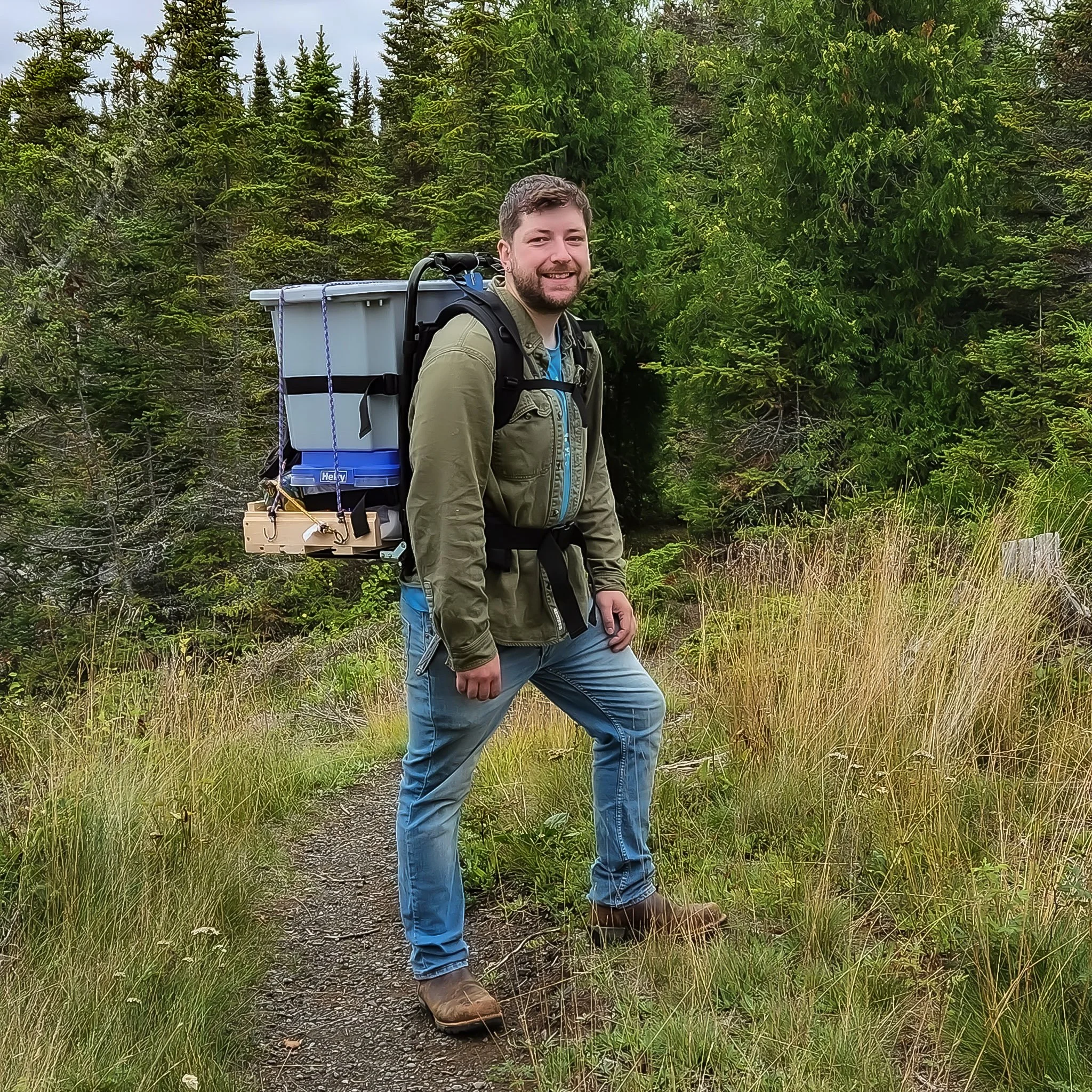
Riley McManus is a ceramic artist who uses clay as a tool to record the textures of natural and human-altered environments.
His artistic journey began on the shores of Lake Superior in northern Wisconsin, where iron-stained clay crumbles from the cliffs. It was here his curiosity first took root with the discovery of this malleable material and all the possibilities it held for creation. He has since developed a practice of taking molds directly from landscapes to preserve moments in time and build an ongoing archive of wild and built environments.
He earned his BFA from UW-Madison in 2020 and has completed residencies across the country. Currently an Artist in Residence at the Saratoga Clay Arts Center in upstate New York, Riley continues to translate the textures of place into functional forms, exploring the intersections of nature, material, and human impact.
In my practice, clay is both a material and a tool, the means of documenting, preserving, and creating from the textures of the world around me. My art is deeply rooted in an exploration of place, using clay to capture the intricate patterns found in both natural landscapes and human-altered environments.
Pressing clay slabs into weathered rock, living trees, and the margins where human presence encroaches on the wild, I create bisque molds that allow me to replicate these textures, translating them into ceramic forms. These molds join my ongoing archive of natural spaces—a record of surfaces caught between growth, decay, and human incursion. This process often feels like the creation of a modern-day fossil. Just as fossils preserve traces of ancient life in stone, my ceramic impressions hold the surfaces of a living landscape, capturing specific moments in time before those surfaces inevitably shift again.
Much of what I create is functional pottery, and it is important to me that these objects are held, used, and experienced through touch. Clay is inherently fragile and demands care, much like the ecosystems and landscapes from which my textures originate. In this way, my work becomes a tactile link to the natural world and a quiet reminder that preservation—or destruction—often rests in human hands.
As a queer artist raised in a deeply traditional, rural environment, I’ve often struggled to see a place for myself in the world. I am drawn to spaces where I can contribute to and foster inclusive, creative communities. This desire shapes how I share my work as much as how I make it: taking molds in public spaces, inviting conversation, and creating objects that people recognize as their own. Seeing someone hold a mug embedded with textures from a place they hold dear reinforces what I believe art can do: bridge personal and collective experiences, and make visible the landscapes we share but rarely pause to examine.
I look forward to continuing my exploration of textures, materials, and human connections to place, using clay as a means to capture and share the stories embedded in the environments we inhabit together.